


Related
From November 29 to December 7, 2025, join FAMBUL GLOBAL on an unforgettable journey through Kenya — a country of breathtaking landscapes, diverse wildlife, and vibrant culture.
What to expect in Kenya:
- Experience Nairobi’s vibrant energy with guided city tours, bustling nightlife, and art-filled neighborhoods.
- Savor bold Kenyan flavors, from standout restaurants to farm-to-cup coffee tastings.
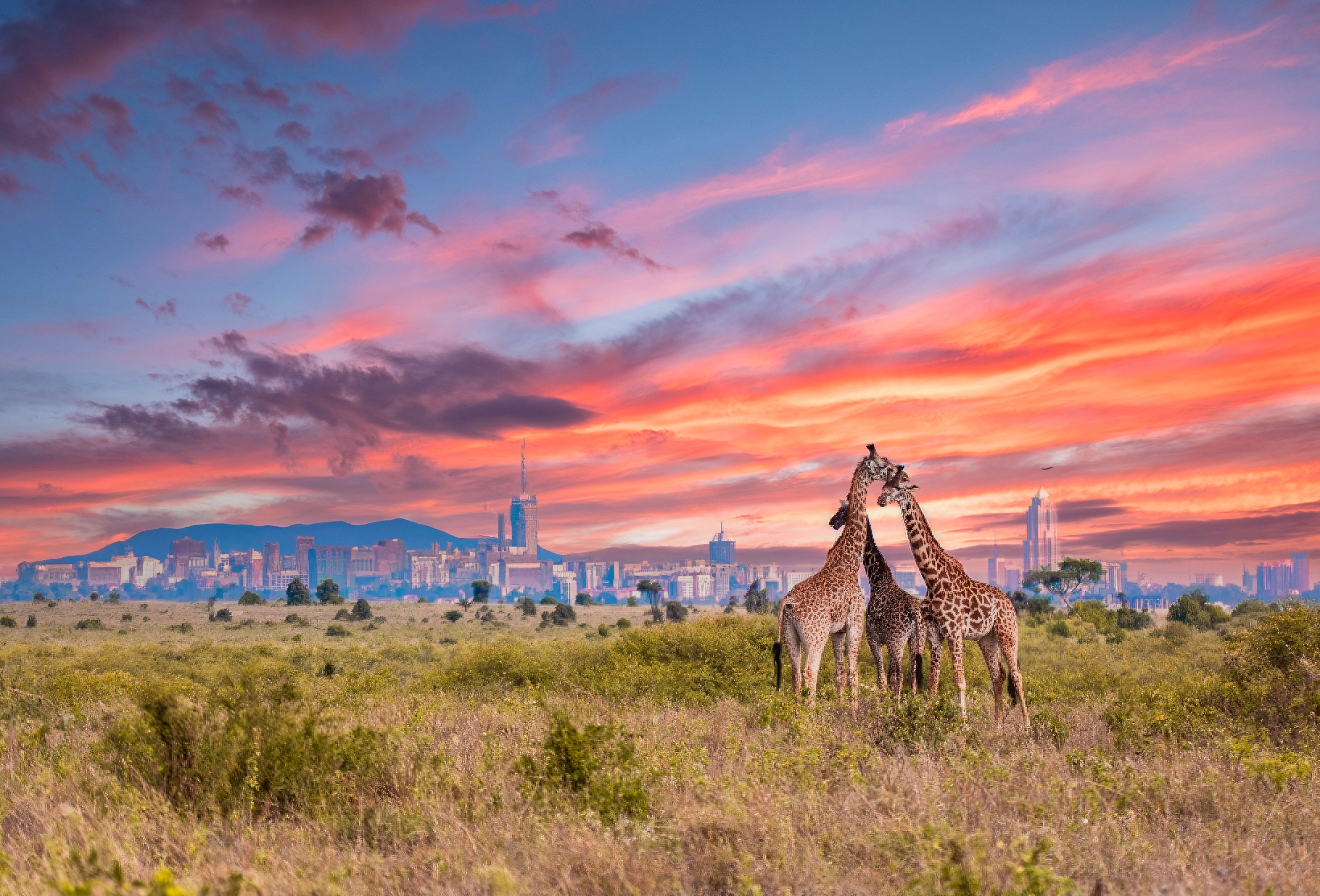
- • Encounter lions, rhinos, and giraffes at Nairobi National Park and the Giraffe Centre.
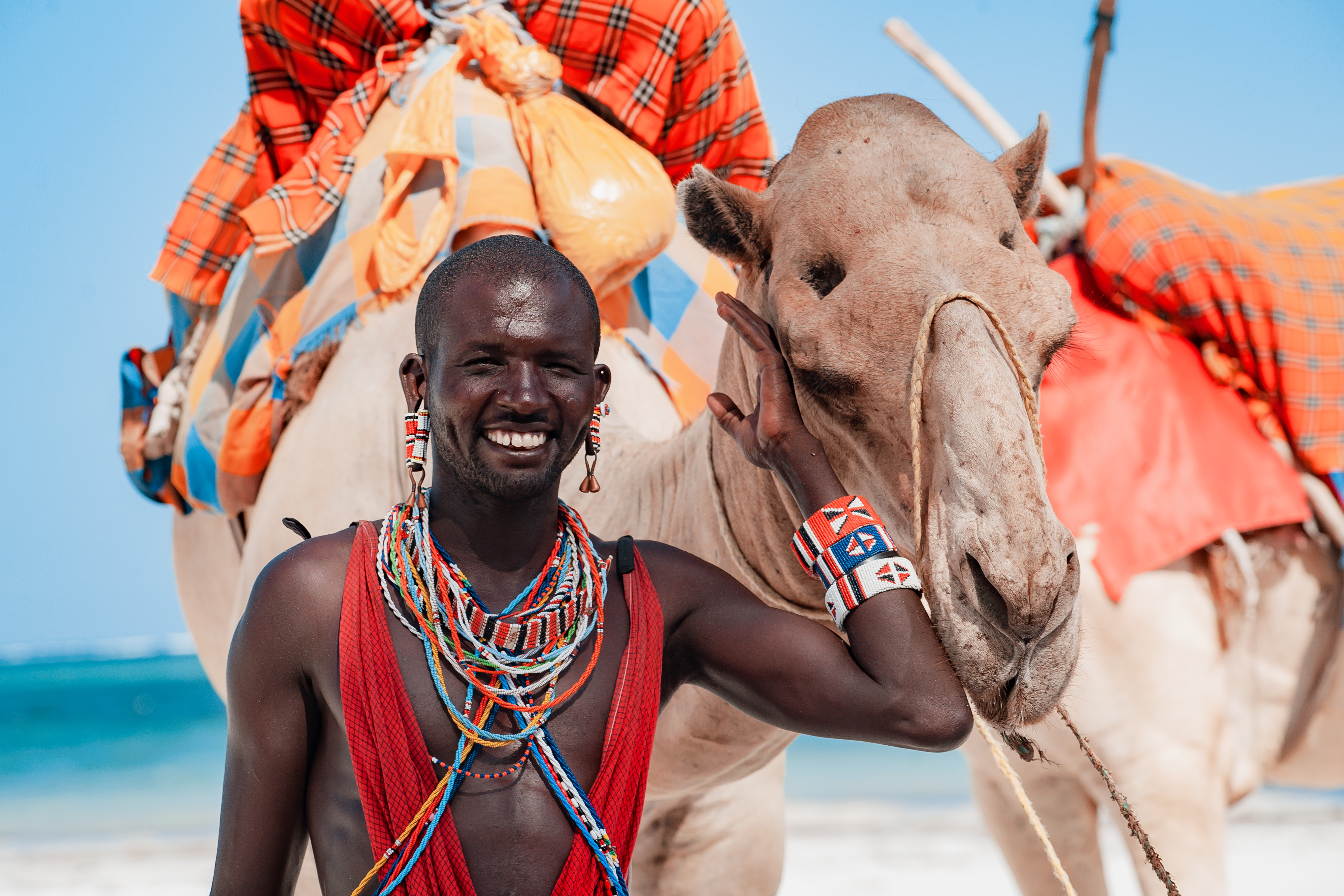
- Connect with the Maasai, one of East Africa’s most recognized cultures.
- Cycle through Hell’s Gate National Park, then cruise Lake Naivasha to see hippos and birdlife.
- Or escape the city with a two-night Maasai Mara safari to witness Africa’s landscapes and wildlife up close.
- Attend The Bitcoin Classic Kenya, an international basketball tournament tipping off in Nairobi on December 6, 2025, in partnership with Street League Africa.
Your Accommodation
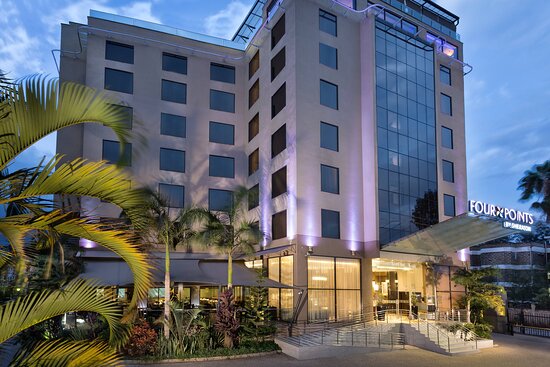
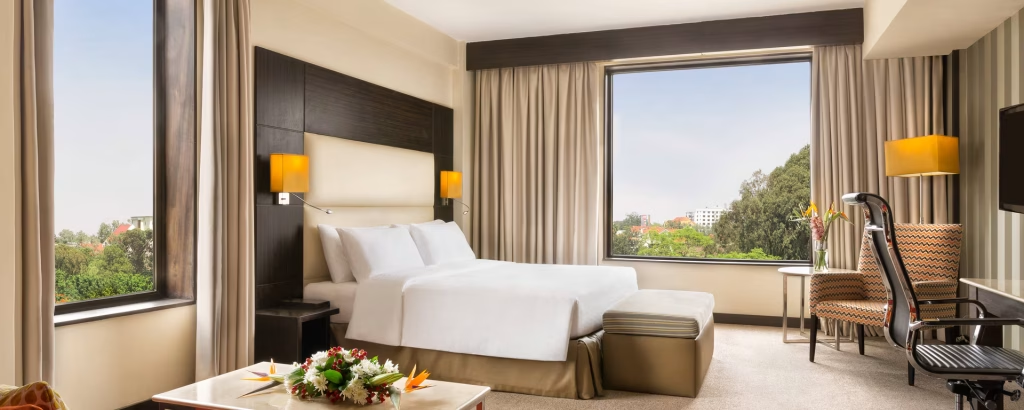
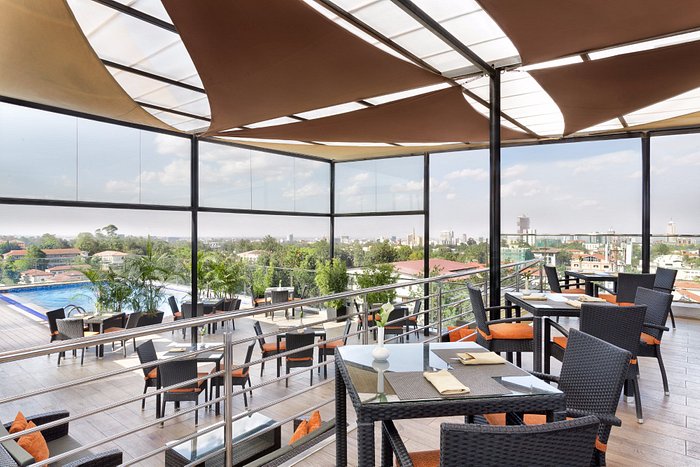
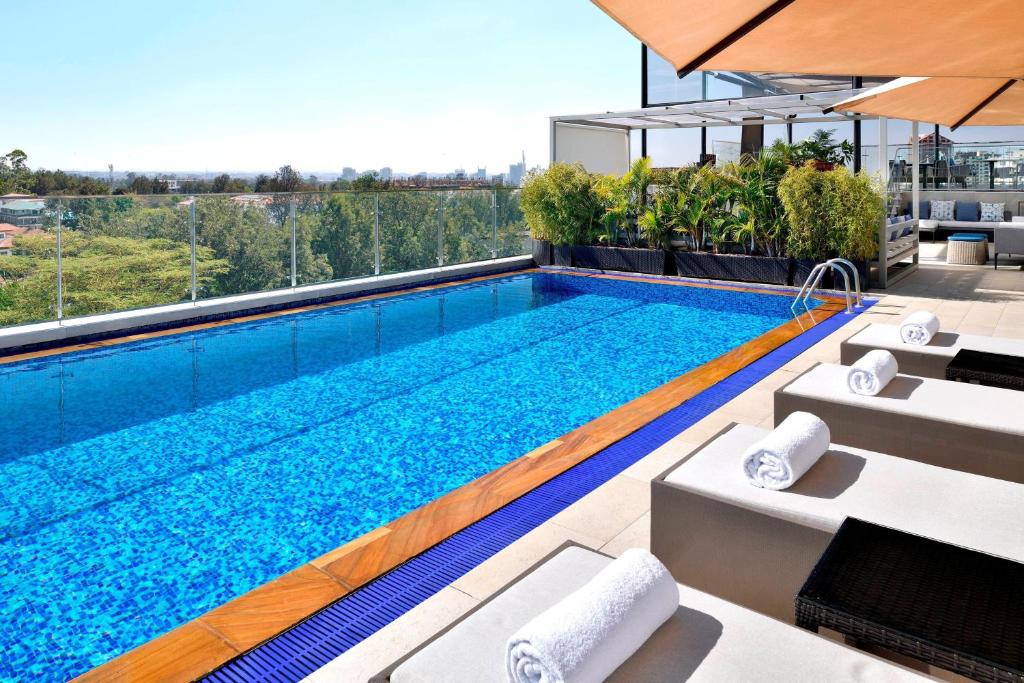
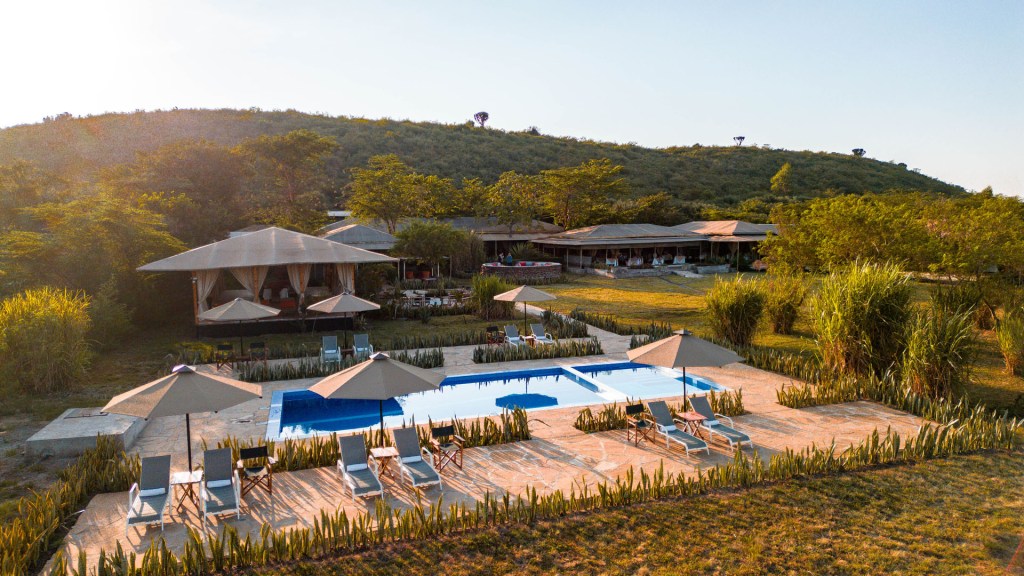
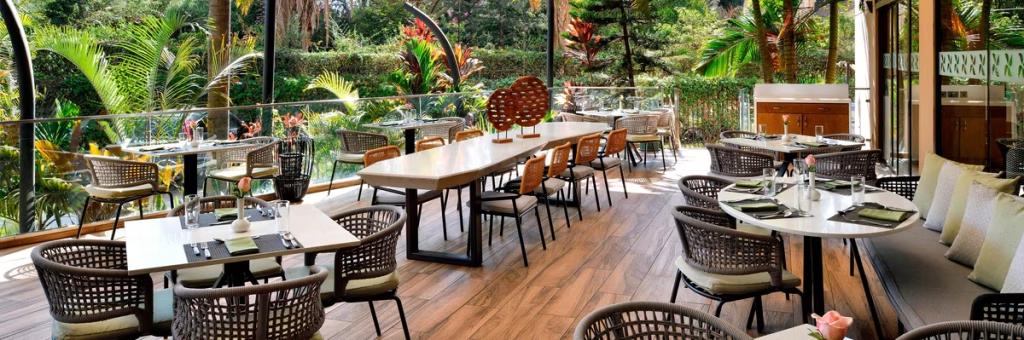
Stay at the Four Points by Sheraton Nairobi Hurlingham, a stylish four-star hotel in Nairobi’s upscale Kilimani district. Enjoy modern comforts including complimentary WiFi, a heated rooftop pool, a fully equipped fitness center, and on-site dining.
Want to See More of Africa?
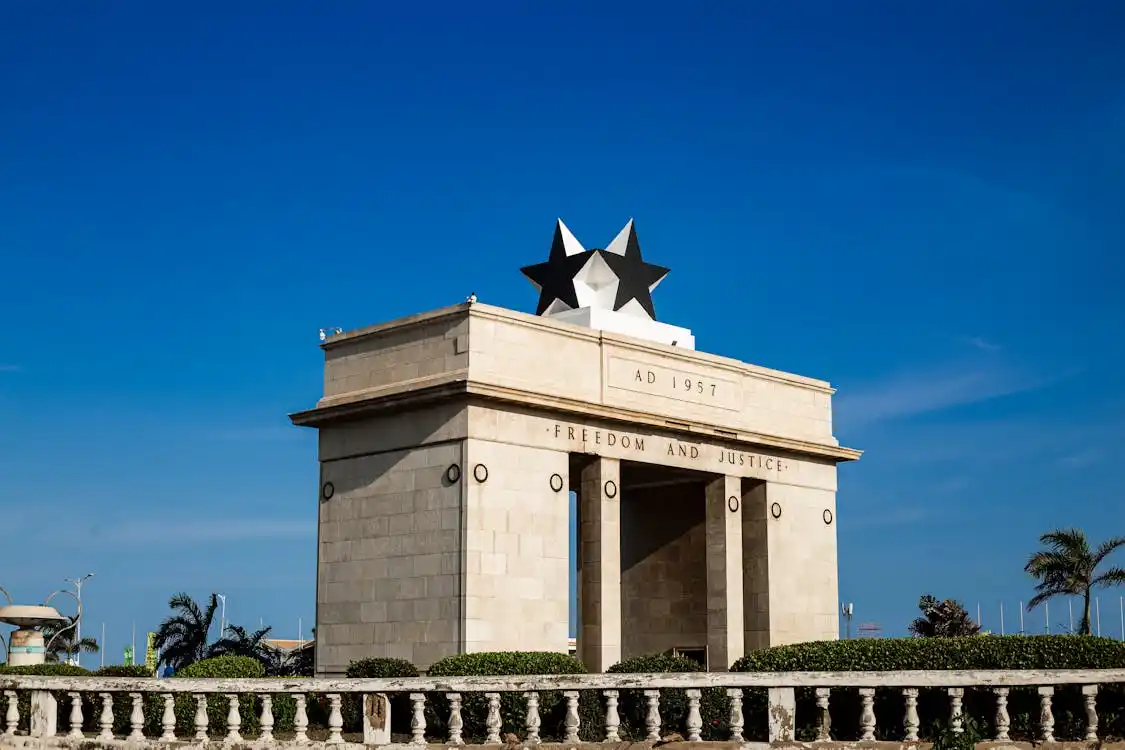
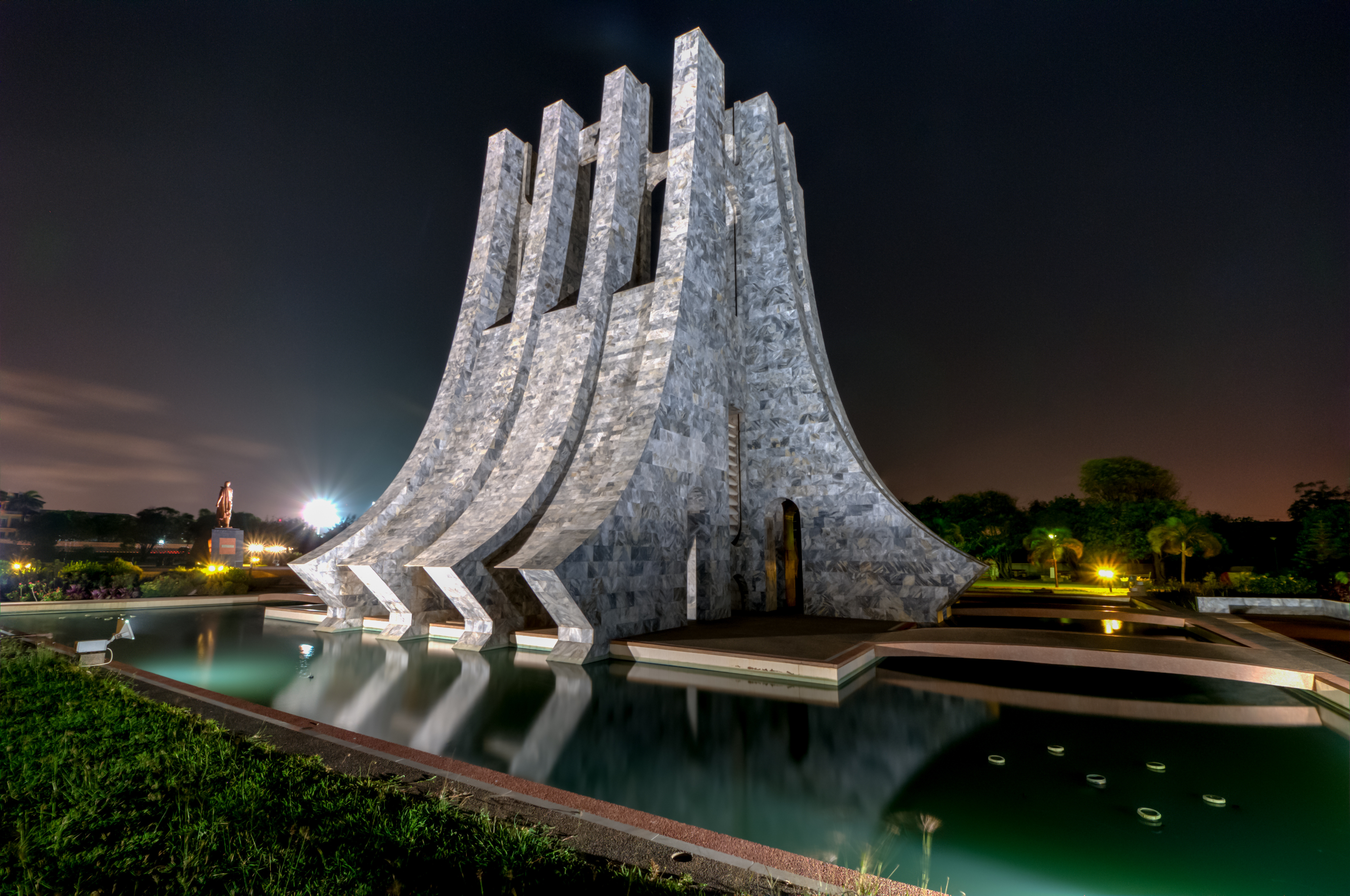
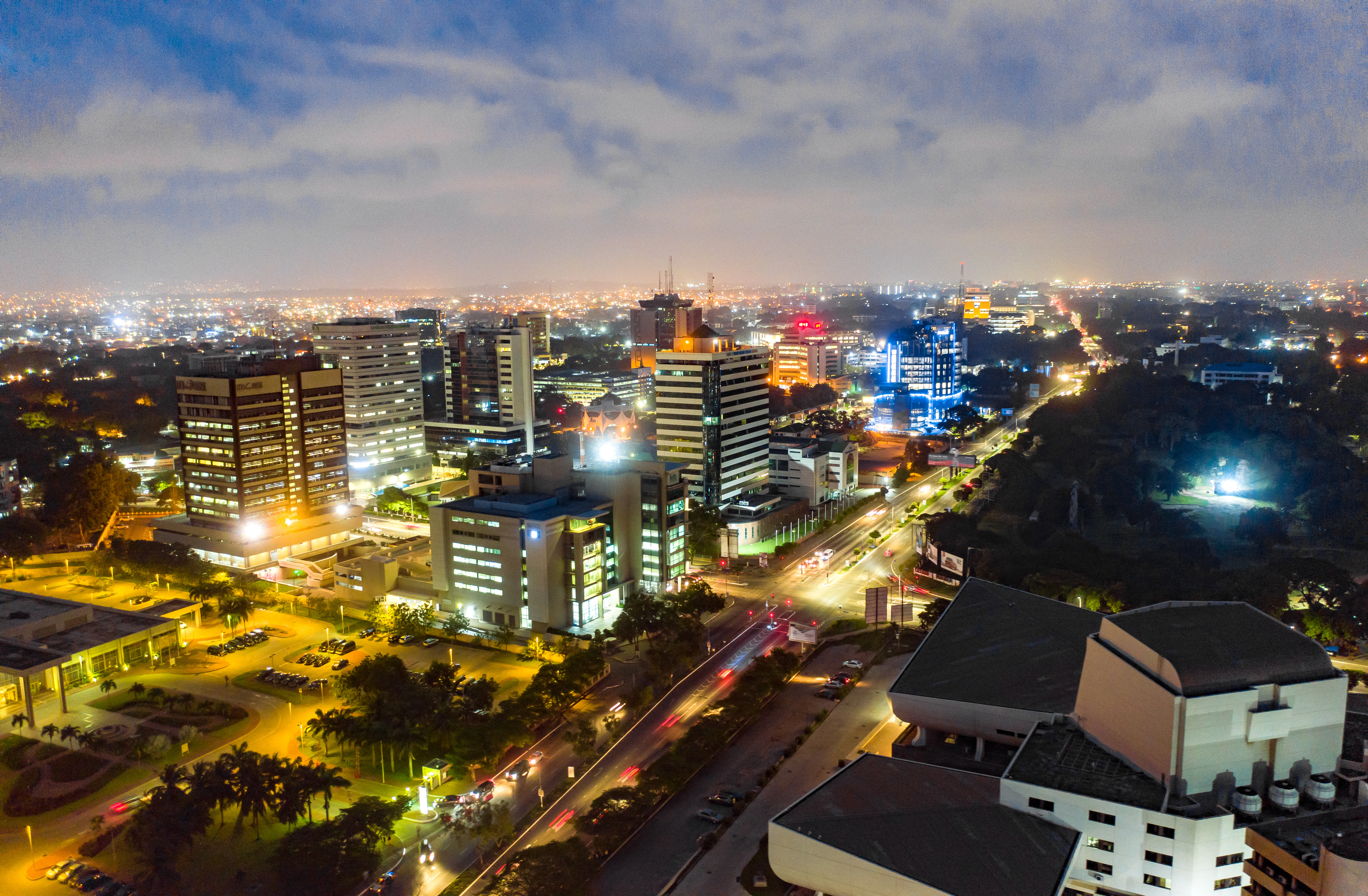
After Kenya, extend your adventure with a trip to Ghana from December 7 to 15, 2025. Explore Ghana’s rich coastal history, vibrant nightlife, cultural heritage, and the Africa Basketball Festival. Together, these back-to-back journeys capture the best of culture, history, and sports across two dynamic African nations.
About FAMBUL GLOBAL Trips
FAMBUL GLOBAL trips are designed to give you true ownership of your journey. Each itinerary is crafted with intention, but you can customize by selecting the experiences that align with your interests and pace. The base cost covers accommodations, transfers, select meals, access to basketball events, and a local guide. Daily excursions and exclusive experiences are additional, giving you freedom to shape the trip your way.
Come see Kenya through the FAMBUL GLOBAL lens.
Click here to read our Terms and Conditions.
Related
We’ve curated an itinerary just for this trip, but nothing is mandatory—choose the tours, activities, and events you’d like during booking. Click "Expand All" below for more details.
Your adventure begins as you arrive in Nairobi, Kenya’s vibrant capital city. Our friendly guide will greet you at Jomo Kenyatta International Airport and escort you to the Four Points by Sheraton Nairobi Hurlingham for a smooth check-in. The hotel is conveniently located about 12 miles from the airport, in the heart of Hurlingham Estate, an upscale district close to Nairobi’s cultural and business hubs. It offers modern comfort, stylish amenities and features such as a rooftop heated pool, fitness center and rooftop dining, the perfect base for your Kenyan experience.
The rest of the afternoon is left open for you to relax, settle in and soak up your new surroundings at your own pace. Whether you choose to unwind at the hotel or take a leisurely stroll nearby, this is the perfect time to acclimate and prepare for the journey ahead.
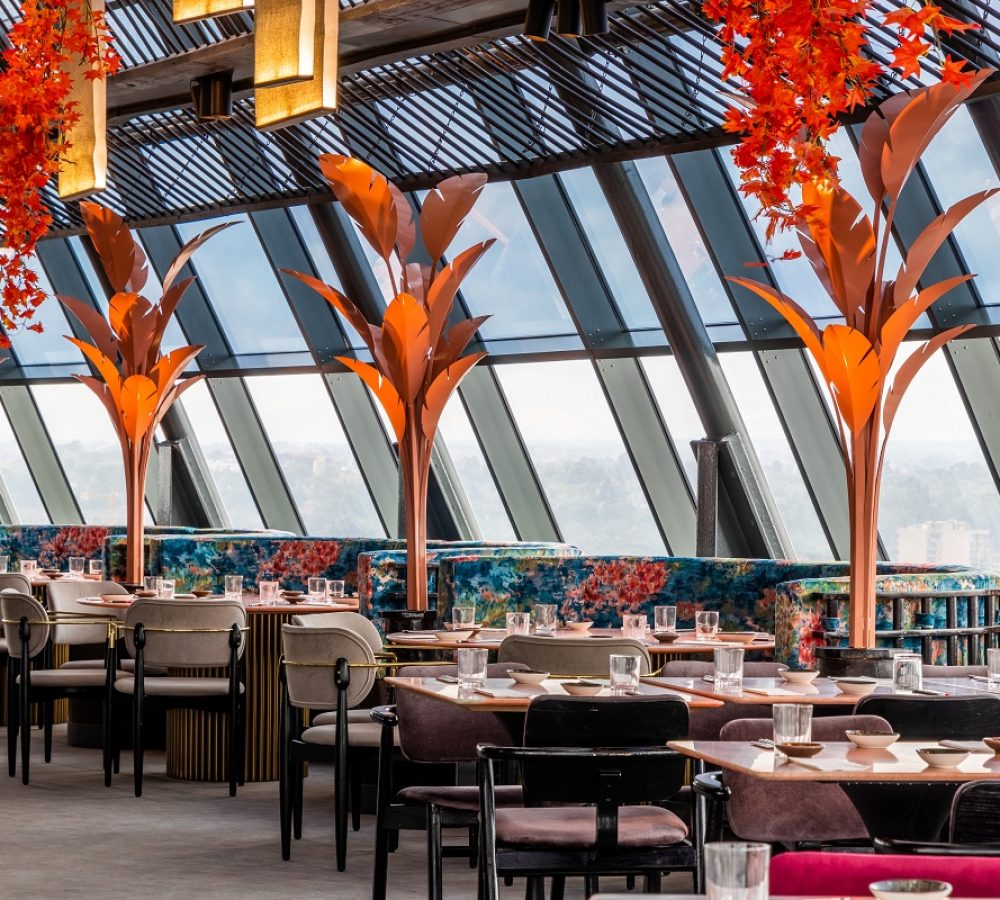
In the evening, enjoy a delicious welcome dinner at INTI – A Nikkei Experience, offering a taste of Japanese and Peruvian cuisine and a chance to meet fellow travelers.
Related
The morning after your arrival in Nairobi, we keep the pace easy to help you settle in. We’ll host an exclusive FAMBUL GLOBAL brunch in partnership with THE MIXER PEOPLE, designed to connect you with Kenyans making an impact across a range of industries.
Before the trip, we’ll learn about your professional background, studies, or personal interests. Using this insight, we’ll introduce you to local professionals in similar fields, giving you the chance to exchange ideas, hear first-hand perspectives and learn how your industry operates in a Kenyan context. This isn’t a large, impersonal networking event, it’s a curated space for meaningful conversations, where connections are intentional and relevant to you. By the end of the brunch, you’ll have met people who can offer insights, inspiration and perhaps even future collaborations, setting the stage for a deeper, more informed experience throughout your time in Kenya.
Pay-As-You-Go Evening Options
A curated program of evening events and activities will be shared closer to departure, shaped by the local social calendar. Join fellow travelers and new local friends to explore the city’s nightlife.
Related


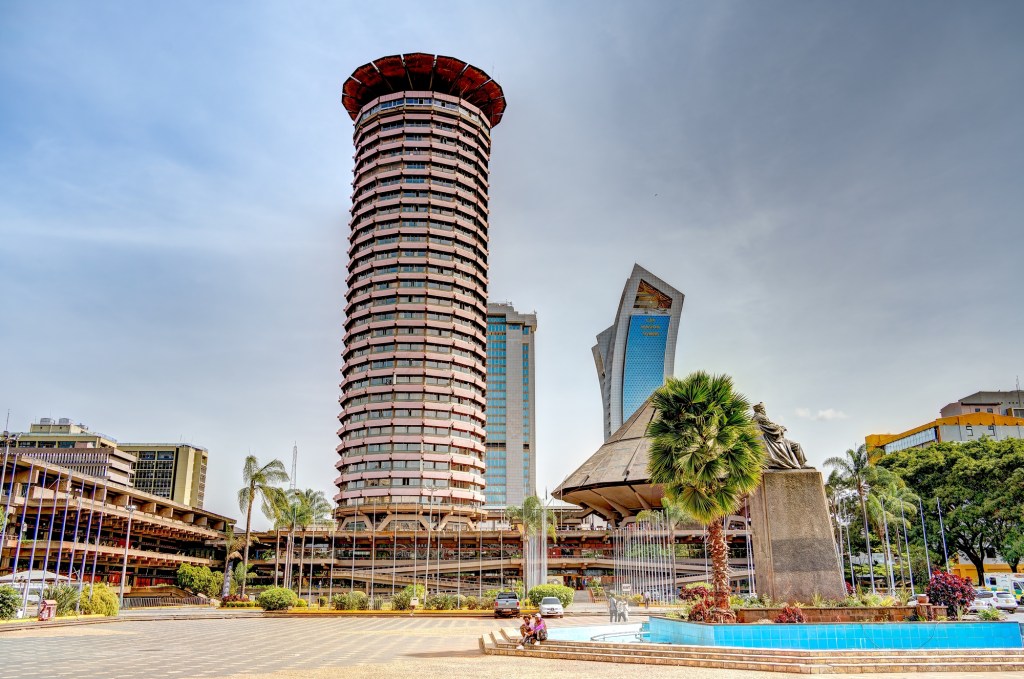
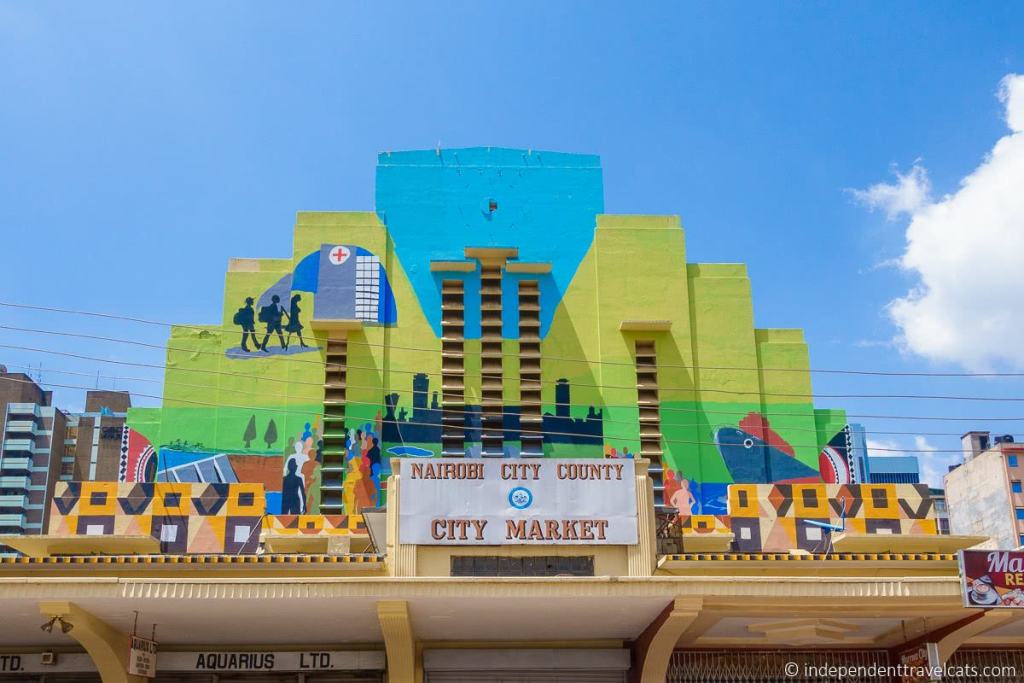
Discover the pulse of Kenya on a guided tour through Nairobi, one of Africa’s most dynamic and influential cities. With a private guide, explore key landmarks and cultural sites while uncovering stories of the city’s rich and layered history. Browse the bustling City Market, where stalls display local crafts, colorful fabrics and fresh produce. Step inside the Nairobi National Archives to view its collection of photographs, artifacts and art documenting Kenya’s history. At the Railway Museum, learn about the country’s railway heritage and its role in shaping modern Nairobi. Reflect at Memorial Park, a tranquil space honoring lives lost in the 1998 U.S. Embassy bombing. Take in the view from the rooftop of the Kenyatta International Conference Centre, offering a panoramic look at the city skyline. Pass by Jeevanjee Gardens, a historic public park gifted to the people and admire the striking architecture of Jamia Mosque from the outside. This private walking tour offers a well-rounded introduction to Nairobi’s history, culture and character.
Pay-As-You-Go Evening Options
A curated program of evening events and activities will be shared closer to departure, shaped by the local social calendar. Join fellow travelers and new local friends to explore the city’s nightlife.
Related
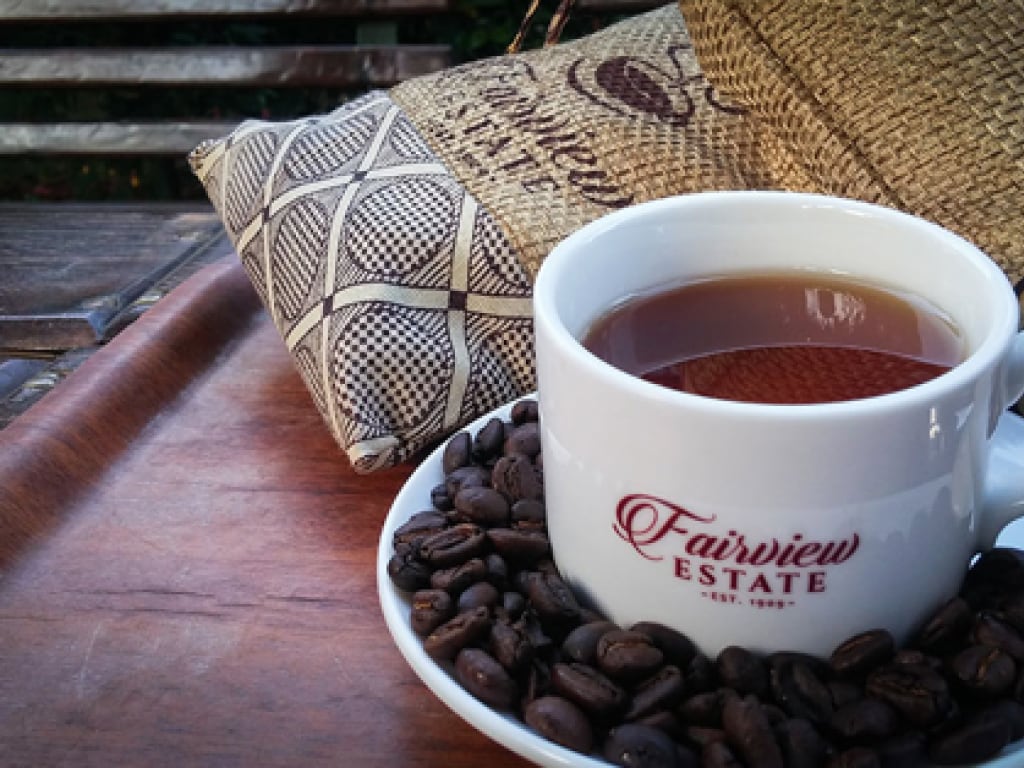
Awaken your senses at the Fairview Coffee Estate Tour, where every step of the bean-to-cup process comes alive. This immersive tour offers a unique opportunity to explore the world of premium coffee in one of Africa’s most renowned coffee-producing regions.
Whether you’re a seasoned coffee lover or simply curious, the tour invites you to discover the rich aromas, bold flavors and fascinating stories behind each cup. Guided by a knowledgeable Coffee Promotions Specialist, you’ll learn about coffee cultivation, harvesting and processing, all while walking through the estate’s scenic coffee fields.
Gain insight into the meticulous care and passion that goes into producing Fairview’s signature blends and enjoy a curated tasting session that lets your taste buds explore the diverse profiles of Kenyan coffee. Come ready to fall in love with coffee all over again.
Pay-As-You-Go Evening Options
A curated program of evening events and activities will be shared closer to departure, shaped by the local social calendar. Join fellow travelers and new local friends to explore the city’s nightlife.
Optional Alternative: Begin your 3-Day Maasai Mara Safari Adventure.
Step into an unforgettable safari through Kenya’s Maasai Mara National Reserve, one of Africa’s most iconic wildlife destinations. In December, the Mara transforms into a lush green paradise after the short rains, with sweeping savannahs alive with predators, elephants, giraffes, and the famed Big Five. While the Great Migration herds will have moved south into Tanzania, the Mara remains rich with resident lions, leopards, buffalo, and an extraordinary array of birds and plains game.
Guided by expert trackers and drivers, you will journey across the reserve in open roof vehicles, with panoramic views of wildlife and endless golden green horizons. From the stealth of a stalking cheetah to the quiet grace of giraffes silhouetted against the dusk sky, every moment in the Mara is a living postcard of Africa’s wild heart.
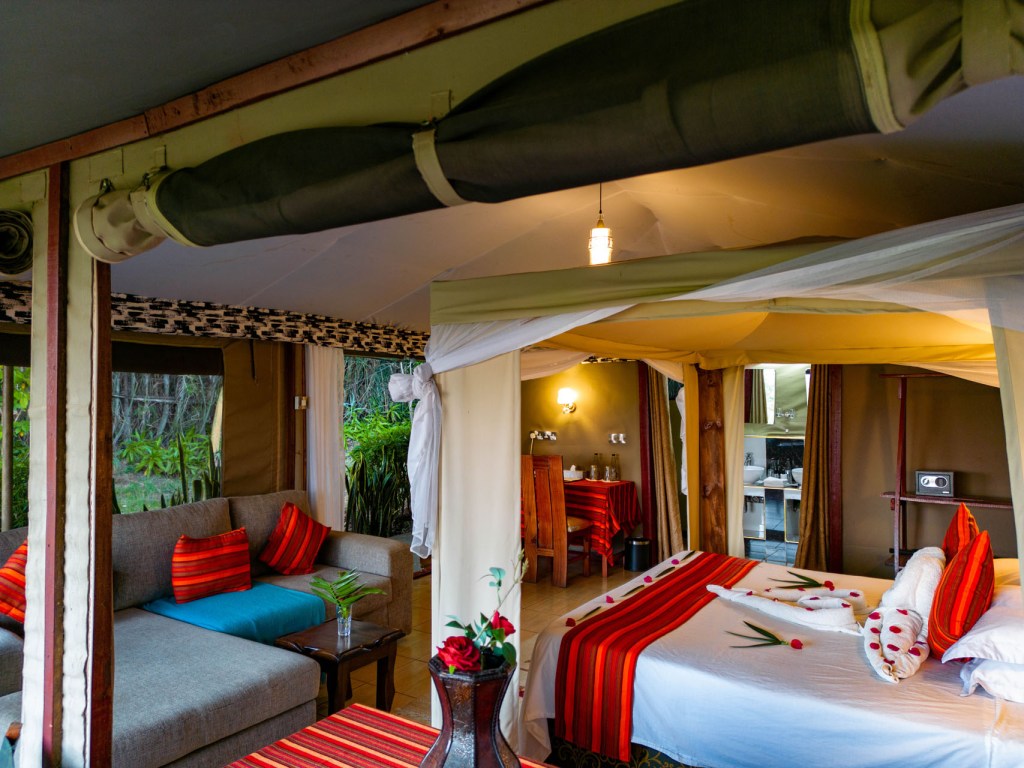
The land itself carries deep meaning, named after the Maasai people, whose heritage and connection to this ecosystem remain woven into its identity. A December safari in the Mara is not about the crowds of the migration. It is about space, stillness, and raw encounters with nature that feel wholly your own.This journey involves an approximately 7 hour drive from Nairobi. Departing Nairobi in the morning, you will travel to this iconic wildlife haven. Arrive in the afternoon, settle into Zebra Plains Mara Camp, enjoy lunch, and set out on your first game drive. In the evening, dine under the vast Mara sky and spend your first night immersed in the sounds of the wilderness.
Related
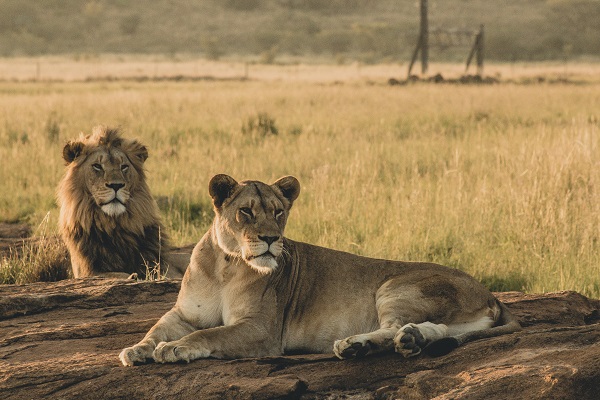


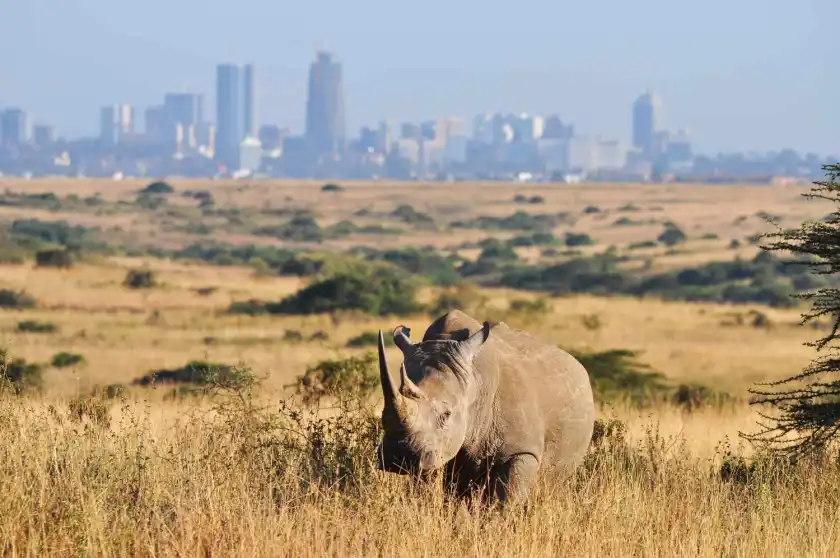
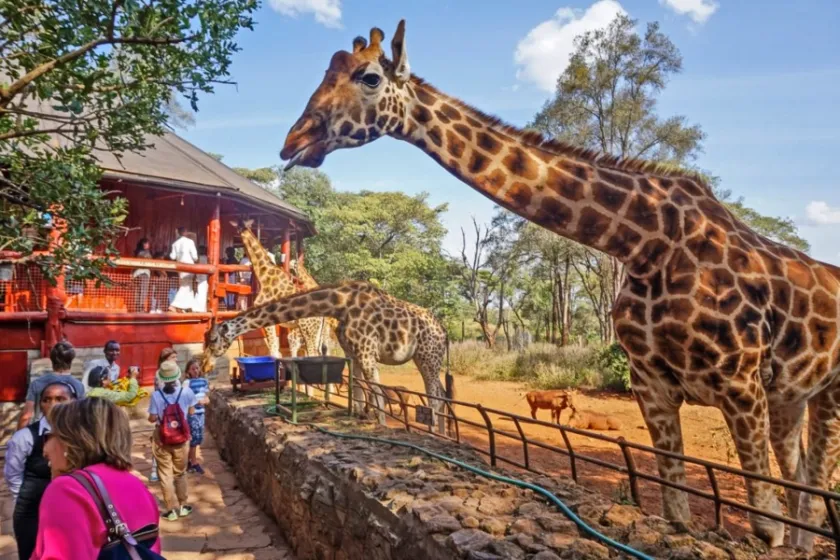
Experience the best of Nairobi’s wildlife and conservation efforts on this unforgettable full-day tour that combines a thrilling safari with heartwarming encounters. Begin your adventure with an early morning game drive through Nairobi National Park, a unique wildlife reserve located just outside the city. In an open-top safari vehicle, spot a variety of animals including lions, giraffes, rhinos and zebras roaming freely across the grassy plains, with the dramatic Nairobi skyline in the background. Conclude your wildlife encounters at the Giraffe Centre, home to the endangered Rothschild giraffes. Participate in a supervised feeding session and get eye-to-eye with these gentle giants on an elevated platform. The center is dedicated to education and conservation, offering insight into giraffe protection and biodiversity. This tour is perfect for animal lovers and anyone seeking a deeper connection to Kenya’s natural heritage.
Pay-As-You-Go Evening Options
A curated program of evening events and activities will be shared closer to departure, shaped by the local social calendar. Join fellow travelers and new local friends to explore the city’s nightlife.
Alternatively, if you select the Optional Safari: Today is dedicated to a game drive in the Maasai Mara from morning to late afternoon. With a packed lunch, you’ll traverse the vast savannahs and witness the unparalleled drama of the Mara ecosystem. Return to Zebra Plains Camp for dinner and your final overnight stay under the stars.
Related

Step into the heart of Kenya’s rich cultural tapestry with a deeply immersive Maasai village tour. This journey is approximately 5 hours round-trip travel. You’re received with traditional songs as your hosts welcome you into their community. During this two-hour experience, you’ll have the opportunity to engage with daily life, as well as witness and join in the iconic Adumu, the Maasai jumping dance, a powerful symbol of Maasai strength and pride. This intimate cultural exchange offers profound insight into a living heritage.
Pay-As-You-Go Evening Options
A curated program of evening events and activities will be shared closer to departure, shaped by the local social calendar. Join fellow travelers and new local friends to explore the city’s nightlife.
Alternatively, if you select the Optional Safari: Enjoy a final sunrise game drive in the Maasai Mara in the early morning. After breakfast, you will depart Zebra Plains Camp in the morning, arriving back in Nairobi in the late afternoon, with drop-off at Four Points Sheraton.
Related


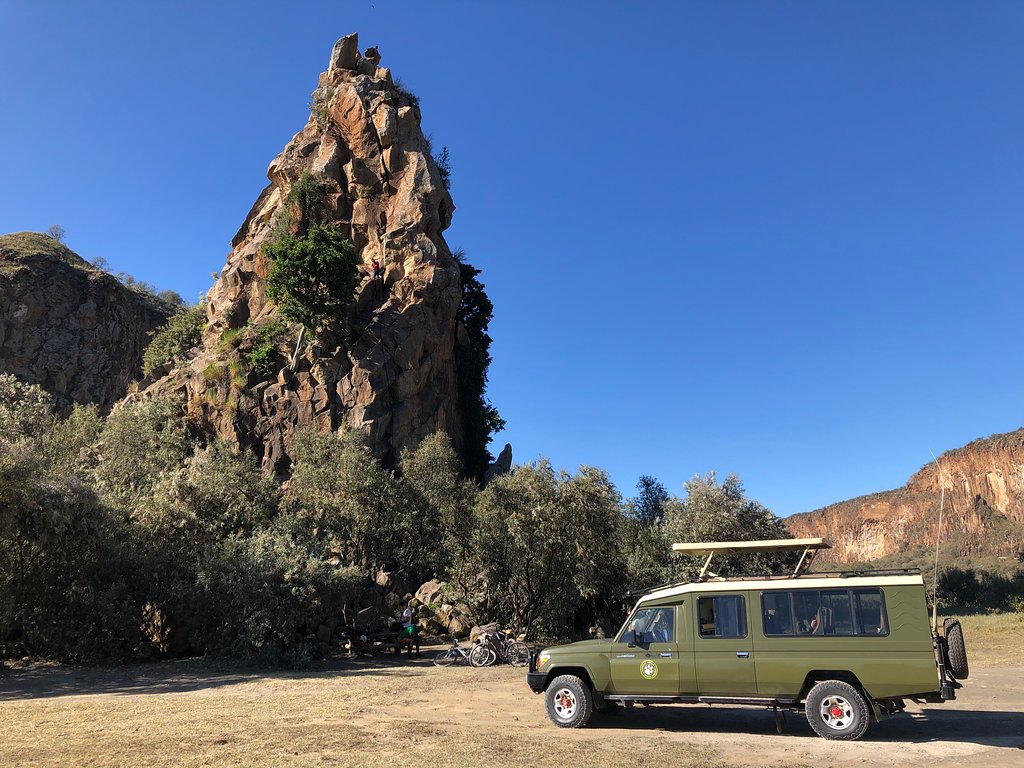
This full-day tour to Hell’s Gate National Park and Lake Naivasha offers the perfect escape from Nairobi, blending adventure, wildlife and dramatic scenery—all in a single unforgettable day. The journey to Hell’s Gate and Lake Naivasha involves an estimated 5 hour round-trip drive. Your journey begins with a morning pickup in Nairobi, followed by a scenic drive to Hell’s Gate National Park via a scenic overlook of the Great Rift Valley. Hell’s Gate National Park is named for its dramatic geothermal activity and towering cliffs. Once a prehistoric lake that fed early human settlements in the Great Rift Valley, the park is famous for its striking landscapes. It was also the inspiration for the setting of Disney’s The Lion King. Unlike many parks in Kenya, Hell’s Gate allows walking and cycling safaris. You can pedal through the park and experience the thrill of wildlife viewing without the barrier of a vehicle. A guided hike into the park’s distinctive gorges offers an up-close look at unique rock formations, narrow passageways, caves, hot springs and local flora. Keep an eye on the sky throughout the tour, as Hell’s Gate National Park is home to more than 100 species of birds.
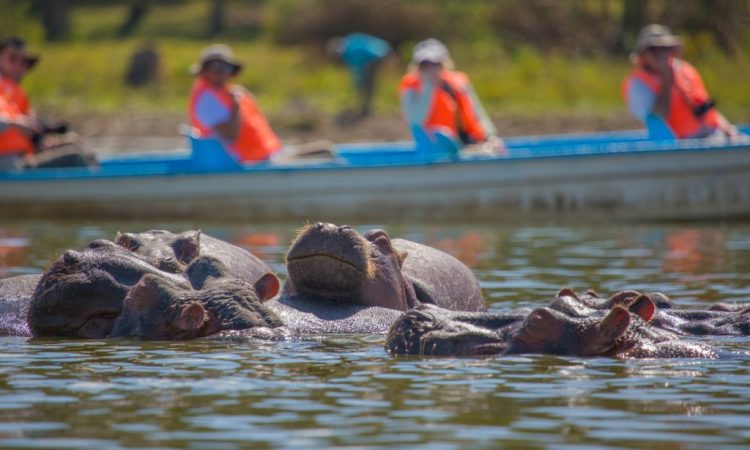
In the afternoon, travel to nearby Lake Naivasha, a serene freshwater lake surrounded by lush acacia forests and flower farms. The lake’s name comes from the Maasai word Nai’posha, meaning “rough water,” due to sudden storms. A 1-hour boat ride offers the chance to spot hippos lingering just at the surface of the water and diverse birdlife such as African fish eagles, lesser flamingos and African spoonbills in their natural habitat, with the scenic backdrop of Mount Longonot in the distance.
This adventure is ideal for nature lovers looking to experience the magic of Kenya’s Great Rift Valley in just one day.
Pay-As-You-Go Evening Options
A curated program of evening events and activities will be shared closer to departure, shaped by the local social calendar. Join fellow travelers and new local friends to explore the city’s nightlife.
Related

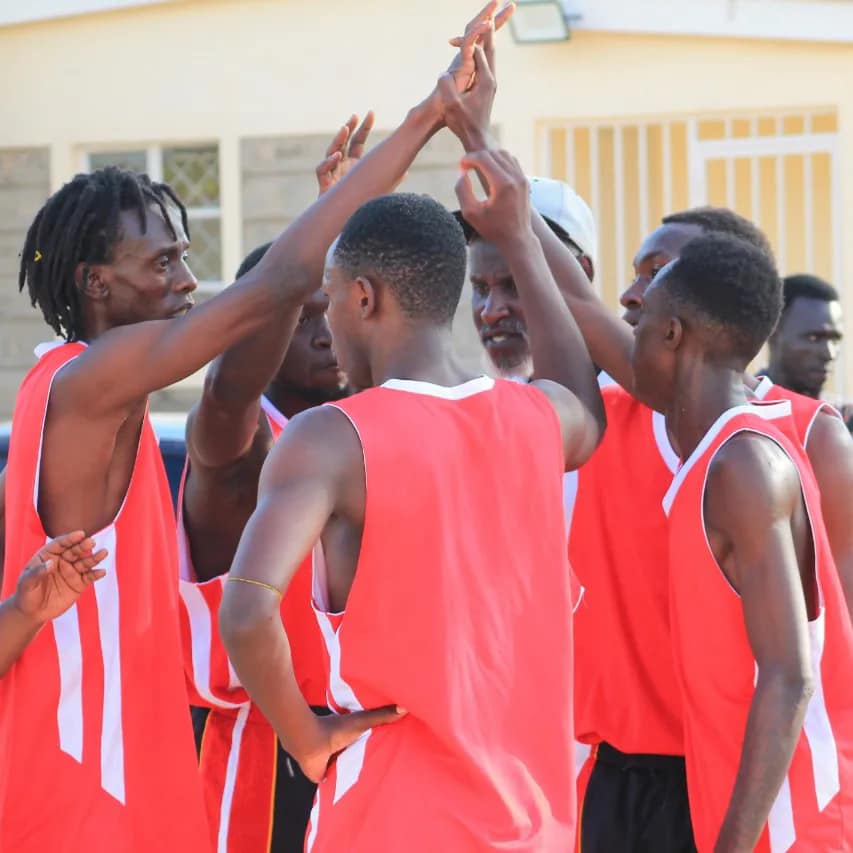
The Bitcoin Classic makes its first international stop in Kenya in partnership with Street League Africa. Founded by Yusuf Abdul-Ali in 2021, the movement has grown across U.S. cities including New York, Chicago, Atlanta and Washington D.C., using elite basketball as a gateway to introduce communities to Bitcoin and digital finance. Now, the movement arrives in Africa, blending sport, technology and culture on one of the continent’s biggest stages.
In the early afternoon, immerse yourself in the Bitcoin Classic Workshop, gaining insights into Bitcoin and the future of digital finance.
From mid afternoon into the evening, the main event kicks off at the Nyayo Indoor Arena: a 5 on 5 single elimination tournament with four of Kenya’s top men’s teams competing for Bitcoin prizes. Between games, enjoy electrifying skills competitions including a three point shootout and dunk contest, showcasing Kenya’s basketball talent at its best. Expect a powerful blend of energy, culture and financial empowerment that is redefining the intersection of basketball and Bitcoin in Africa.
Pay-As-You-Go Evening Options
A curated program of evening events and activities will be shared closer to departure, shaped by the local social calendar. Join fellow travelers and new local friends to explore the city’s nightlife.
Related


On your final day in Nairobi, enjoy a relaxed morning with a complimentary breakfast at your hotel. The day is left open for you to unwind or squeeze in some last-minute shopping. When it’s time to depart, your guide will transfer you comfortably to Jomo Kenyatta International Airport, ensuring a smooth and stress-free end to your Kenyan adventure.
Related

The base cost includes lodging, transfers, some meals, basketball events, and a guide. Excursions cost extra, allowing you to customize your journey.
Included
- Pre-arranged Airport Transfers: Comfortable and convenient transfer services from Jomo Kenyatta International Airport to your accommodation upon arrival and back to the airport on your departure day.
- Accommodations: Comfortable, conveniently located hotel accommodations offering modern amenities and a restful stay throughout the trip.
- Daily Breakfast: Start each morning right with complimentary breakfast at your hotel.
- Local English-Speaking Guide: An experienced local guide who ensures smooth logistics, shares invaluable cultural insights and leads daily group activities.
- Tours, Activities, & Events: The following experiences are included in the base price: welcome dinner, The Bitcoin Classic Tournament & Workshop
Not Included
- Travel Insurance: Travel insurance is MANDATORY for all FAMBUL GLOBAL TRIPS to protect against trip cancellations, medical emergencies, lost luggage and unexpected travel disruptions.
- Airfare: Travelers are responsible for booking their own flights separately.
- Visa and Immigration: Travelers are responsible for organizing, obtaining and covering the costs of any required visas.
- Vaccination and Immunization: Travelers are responsible for arranging and covering the costs of any required vaccinations and immunizations.
- Incidental Hotel Expenses: Such as room service or minibar, are not included.
- All meals outside of the included welcome dinner, and daily breakfast.
- Optional Tours, Activities, & Events: Can be added during booking for an additional cost.
Find answers to common questions before booking your unforgettable journey across Africa with FAMBUL GLOBAL.
Related
This December, The Bitcoin Classic is set to make history with its first international tournaments in Kenya and Ghana, marking a bold step in its mission to use elite basketball as a vehicle for Bitcoin education and financial empowerment across the African continent.
Founded in 2021 in Springfield, Massachusetts by Yusuf Abdul-Ali, The Bitcoin Classic was created to use elite basketball as a gateway to introduce underserved communities to Bitcoin, blockchain technology, and financial autonomy. The tournament quickly expanded to cities including New York, Chicago, Atlanta, and Washington D.C., building a reputation for high-level competition, community engagement, and innovative educational programming. Through workshops, panels, and partnerships, the Classic has reached thousands of athletes, fans, and entrepreneurs.
Now the movement is going global. In Nairobi, Kenya, The Bitcoin Classic is partnering with Street League Africa (SLA) to host a tournament that blends sport, culture and financial literacy. The event will feature a 5-on-5 men’s competition, a high-flying slam dunk contest, a three-point shootout, interactive Bitcoin workshops and a youth basketball clinic led by The Bitcoin Classic founder Yusuf Abdul-Ali.
In Accra, Ghana, The Bitcoin Classic tournament will be featured as part of the Africa Basketball Festival, a major annual event that attracts over 5,000 basketball enthusiasts from around the world. The festival combines domestic and international basketball matchups with music performances, fashion shows and a basketball seminar, creating a dynamic platform for cultural exchange and youth empowerment.
Backed by Block, Inc., the fintech company founded by Jack Dorsey and FAMBUL GLOBAL, a Pan-African travel and lifestyle brand, The Bitcoin Classic’s Africa expansion is about more than competition, it is about creating long-term impact. By uniting sport, education and technology, the initiative seeks to empower Africa’s next generation with the knowledge and tools to thrive in the digital economy.
Related
The Bitcoin Classic Kenya is designed as a multi-faceted event that engages audiences on and off the court.
- Elite Basketball Tournament: A 5-on-5 men’s single-elimination tournament will bring together the top four local teams, competing for Bitcoin prizes. The competition will also feature high-energy skills challenges, including a three-point shootout and a slam dunk contest to showcase top talent.
- Education and Financial Inclusion: Interactive Bitcoin and blockchain workshops will introduce practical, real-world applications to participants and attendees.
- Youth Development and Community Engagement: A co-ed youth basketball clinic led by The Bitcoin Classic founder Yusuf Abdul-Ali will focus on skill-building, mentorship and empowerment.
- Strategic Partnerships and Institutional Engagement: Collaborations with leading universities, innovation hubs and tech accelerators will extend the reach of the event, advancing financial literacy and digital inclusion across the region.
Related
Yes, unless you are exempt. As of January 2024, Kenya requires most visitors to apply for an Electronic Travel Authorization (eTA) before travel. You cannot board your flight without it. Applications must be submitted at least 72 hours before departure, but apply 2–3 weeks ahead to avoid delays. Apply only via the official site: www.etakenya.go.ke.
You’ll need:
Passport valid 6+ months with at least one blank page
Proof of accommodation (your hotel confirmation)
A return or onward ticket
Yellow Fever certificate if arriving from a risk country
Exemptions: Citizens of East African Community states (Uganda, Tanzania, Rwanda, Burundi, South Sudan, DRC) and some other countries (including Ghana, Jamaica, Barbados, Mauritius, Singapore, South Africa, Trinidad & Tobago, Zambia, Zimbabwe) may stay up to 90 days without an eTA. Diplomatic/official passport holders on duty are also exempt
Always check the official list on etakenya.go.ke before you book to confirm your specific requirements.
Traveler Tip: Print your eTA approval and carry it with your passport, immigration may request a hard copy.
Related
Kenya is generally safe for tourists, especially in popular destinations like Nairobi, the Maasai Mara and coastal areas such as Mombasa and Diani. Like in any major city, travelers should stay alert in crowded areas and avoid displaying valuables. Some regions near border areas may be more volatile, but these are far from tourist routes. Traveling with a trusted tour operator ensures a secure experience, especially for safaris and city excursions. Always carry a copy of your passport and entry stamp, keeping original documents in a secure location. Keep updated on travel advisories, follow local guidance and you’ll enjoy a rich and rewarding trip.
Related
Travel insurance is MANDATORY for all FAMBUL GLOBAL TRIPS to protect against trip cancellations, medical emergencies, lost luggage and unexpected travel disruptions. While travel insurance is not a mandatory requirement for entry into Kenya by the government, it is mandatory for all our travelers.
Your policy should cover medical emergencies, evacuation and repatriation, trip cancellations or delays and lost or stolen baggage. If you plan to join adventure activities such as safaris, make sure they are included in your coverage.
Traveler Tip: Always carry a digital and printed copy of your policy and emergency contact numbers.
Related
Requirements depend on your nationality, travel history and personal health. Always consult your clinician or a travel medicine specialist 4-6 weeks before your departure (some vaccines require several weeks).
- Entry requirement (conditional): A Yellow Fever certificate is required if you’re traveling from, or transiting through, a country with risk of Yellow Fever. Travelers aged 1 year and above in this category must carry the certificate.
- Commonly recommended vaccines:
- Yellow Fever: Advised for nearly all travelers aged 9 months and older, even if not strictly required.
- Hepatitis A & Typhoid: Both spread through food and water and are strongly recommended, especially if you’ll eat outside major hotels or visit rural areas.
- Hepatitis B: Important if you may have medical procedures, new piercings/tattoos, or intimate contact.
- Rabies: Recommended for long stays, rural travel, or expected contact with animals.
- Cholera: Sometimes advised for travelers visiting areas with active outbreaks.
- Routine vaccines: Make sure you’re up-to-date on MMR, polio, tetanus/diphtheria/pertussis, varicella and influenza. Older travelers may also be advised to get shingles and pneumonia protection.
- Yellow Fever: Advised for nearly all travelers aged 9 months and older, even if not strictly required.
- Malaria: Kenya has moderate malaria risk in many areas. The CDC recommends malaria prophylaxis medication, which must often be started days before travel and continued after you return. Combine this with insect repellents, nets and covered clothing at night.
Traveler Tip: Don’t leave this last minute — some vaccines need multiple doses or take time to work.
Related
Malaria is common in many regions, especially outside central Nairobi and highland areas, so antimalarial precautions are recommended. Western Kenya, in particular, has an especially high risk of malaria. Yellow fever is a risk in some areas and vaccination may be required depending on your travel history. Other mosquito-borne diseases like Dengue and Chikungunya are also present.
Other potential concerns include hepatitis A and B, typhoid and traveler’s diarrhea, stick to bottled water and well-cooked food. Nairobi and Mombasa offer decent healthcare, but rural areas may have limited services and hospitals often require payment before treatment. Be cautious around wildlife and avoid swimming in freshwater lakes to prevent schistosomiasis, an endemic parasitic disease. Travel insurance with medical coverage and evacuation is strongly advised for all visitors.
Related
No, it’s generally not safe to drink tap water in Kenya. Tap water may contain bacteria, parasites, or other contaminants that could cause illness, especially for visitors not accustomed to local water sources. To stay healthy, drink only bottled, filtered, or boiled water. Use bottled water for brushing your teeth and avoid ice unless you’re sure it was made with purified water. Many hotels and restaurants cater to international travelers and offer safe drinking water.
Related
Kenya’s currency is the Kenyan Shilling (KES). Cash is essential for small purchases, taxis and local markets, but larger hotels, restaurants and shops in Nairobi and other cities usually accept Visa and Mastercard.
ATMs are widely available in cities, though less so in rural areas. Use machines located inside secure places like banks, malls, or airports. If you prefer mobile payments, M-Pesa is Kenya’s most widely used system and can be set up quickly with a local SIM card.
It’s useful to carry a mix: some cash in small denominations, at least one international credit/debit card and (if you’ll be staying a while) access to M-Pesa.
Traveler Tip: avoid carrying large sums of any currency for safety.
Related
Kenya has two official languages: English and Kiswahili (Swahili). English is commonly used in business, education and tourism, so most travelers will have no trouble communicating, especially in cities and tourist areas. Swahili, however, is the national language and is spoken by nearly everyone across the country. It’s a unifying language and used in everyday conversation, media and signage. Kenya is also linguistically diverse, with 42 different ethnic groups and dozens of indigenous languages spoken regionally, including Kikuyu, Luo and Luhya. The average Kenyan often speaks at least three different languages. A more modern language spoken among younger generations is Sheng, a hybrid of Swahili and English with words from other indigenous languages. Learning a few basic Swahili phrases (like Jambo for hello or Asante for thank you) is appreciated and can enhance your experience by showing respect for Kenya’s culture.
Related
Kenya uses the Type G plug, identical to the UK standard with three rectangular pins in a triangular pattern. The electrical voltage is 240V at a frequency of 50Hz. Travelers from countries using different plug types or lower voltages (like 110V in the U.S.) should bring a Type G adapter. For most modern electronics like phones, tablets and laptops, which are typically dual-voltage rated (‘INPUT: 100-240V’), only a travel adapter is needed. However, high-voltage appliances like hairdryers that are not dual-voltage may need a voltage converter. To stay charged while exploring, a universal travel adapter with surge protection is a great travel companion.
Related
Tipping is common and appreciated in Kenya, particularly in the tourism and hospitality sectors. While not mandatory, it is a common part of the culture and most service workers often rely on tips as a significant part of their income, directly supporting their livelihoods.
General Tipping Guidelines:
Restaurants: 10% if a service charge isn’t included
Safari Guides/Drivers: US$10–20 per person per day
Porters: KSh 100–200 per bag
Housekeeping: KSh 200–500 per night
Hotel Tip Box: Some hotels provide a communal box at reception for contributions shared among staff
Use Kenyan shillings (KES) where possible and carry small denominations for convenience.
Related
Kenyan cuisine is diverse, reflecting the country’s many ethnic groups and regions. While there is no single dish that represents all of Kenya’s cuisine, certain foods are universally consumed. Expect hearty staples and coastal spice:
Ugali: A dense maize flour porridge, often served as a staple accompaniment to stews and vegetables.
Sukuma Wiki: Collard greens or kale, often simmered with tomato and onion.
Nyama Choma: Grilled meat (typically goat or sheep), considered an unofficial national dish, often enjoyed communally and served with ugali and kachumbari (fresh salsa).
Coastal Cuisine: Offers rich, spiced flavors with coconut milk and fresh seafood, such as pilau (spiced rice dish) and biryani (layered rice dish), reflecting Indian influences. Wali wa Nazi (rice cooked with coconut) is another flavorful coastal staple.
Other Popular Dishes: Chapati (flatbread similar to Indian paratha) , samosas, mandazi (fried dough/Kenyan doughnuts) , Maharagwe (red beans in coconut milk sauce) , Matoke (plantain bananas cooked with spices) and Githeri (boiled kidney beans and corn kernels).
Kenyan food is generally hearty and not overly spicy, though chili sauces are often provided on the side for those who want extra heat. The diversity is influenced by varied ethnic groups, geography and historical trade routes, making food exploration a key part of the cultural experience.
Related
Kenya is culturally diverse and places strong emphasis on politeness and respect, especially toward elders. A few key customs will help you navigate with ease:
- Greetings: Always greet first. Handshakes are common, sometimes with a slight bow of the head. A smile goes a long way, and simple phrases in local languages are warmly received.
- Respect Elders: Elders are highly valued. Use polite titles like Baba (father) or Mama (mother), and stand when an elder enters or speaks.
- Right Hand: Use your right hand when shaking hands, eating, or giving and receiving items.
- Dress: Modesty matters, especially in rural, religious, or non-tourist areas. Women should avoid revealing clothing; men should not wear sleeveless tops in formal or religious spaces.
- Photography: Always ask before taking photos of people. Avoid sensitive sites like government buildings or security areas.
Other Important Don’ts:
- Don’t touch someone’s head — considered sacred in many communities.
- Don’t point with a finger; use your whole hand or chin.
- Avoid political debates and public displays of affection.
- Remove shoes when entering homes and accept offered food or drink.
- Respect wildlife: stay in vehicles, avoid feeding animals, and keep noise low.
- Dispose of litter responsibly.
Approaching interactions with curiosity and respect will enrich your experience and strengthen connections across Kenya’s diverse cultures.
Related
Kenya is in the East Africa Time (EAT) zone, which is UTC+3. The country does not observe daylight saving time and has not done so since July 1942, so the time remains the same throughout the year. For travelers, this means Kenya is 3 hours ahead of London (GMT), 8 hours ahead of New York (EST) and 11 hours ahead of Los Angeles (PST) during the standard time season. The steady time zone helps with travel planning and coordination. Be sure to update your phone or watch upon arrival so you can keep on schedule for safaris, tours and local experiences.
Related
Yes, mobile phones work well in Kenya. Coverage is strong on the main circuits, supported by major operators like Safaricom and Airtel. To save on roaming charges, travelers are encouraged to buy a local SIM card from providers like Safaricom or Airtel. You’ll need to show your passport for SIM registration, as required by Kenyan law. You can easily top up with prepaid data and call bundles. Kenya has strong mobile coverage in major cities and safari destinations, though remote areas may have spotty reception. Ensure your phone is unlocked and supports GSM networks.
Acquiring a local SIM card is also the essential gateway to fully leveraging M-Pesa, which is standard for local transactions and crucial for daily financial activities. Many mobile operators in Kenya also support eSIM technology, offering a convenient option for travelers with eSIM-compatible devices, potentially streamlining the process of obtaining local connectivity without needing a physical SIM card upon arrival. Wi-Fi is available in most hotels, cafes and restaurants.
Related
ATMs are widely accessible throughout Kenya, especially in cities like Nairobi, Mombasa and Kisumu, as well as major tourist hubs. Most machines accept international cards (Visa and Mastercard) and you can withdraw Kenyan shillings (KES). Be aware of foreign transaction fees and daily limits. Let your bank know you’ll be traveling to avoid any issues. In rural or remote areas, ATMs may be less common or out of service, so having some cash on hand is wise. Kenya also has a robust mobile money system (M-Pesa), which can be used for many everyday purchases and transfers. It is advisable to diversify your payment methods, including cash, cards and mobile money, for a robust and adaptable payment strategy across various settings.
Related
Bargaining is common in Kenya, particularly in markets and with street vendors. Places like Nairobi’s Maasai Market or Mombasa’s Old Town are great spots for bargaining. Vendors may start with higher prices and it’s normal to negotiate to find a price that works for both parties. Bargaining is also part of the experience in souvenir shopping and at local markets. However, always approach negotiations with respect and good humor—Kenyan vendors appreciate a friendly attitude. In larger stores or supermarkets, prices are fixed and bargaining is not typically expected.
Related
Yes, you can generally drive in Kenya with a valid foreign driver’s license for up to 90 days (three months) after entry. However, Kenyan law mandates foreign drivers to hold a valid home country license plus an International Driving Permit (IDP) to legally drive on Kenyan roads. It is not merely a recommendation; major rental companies all require an International Driving License. Failure to possess an IDP may result in a fine, which can range from 3,000 to 10,000 Kenyan shillings (approximately 22-72 USD). If you plan to stay longer than three months, you will need to apply for a Kenyan driving permit.
When driving, ensure you carry the originals of your passport, visa, valid foreign driving license and International Driving License. You also need proof of insurance and that your vehicle is properly registered. Traffic can be unpredictable, especially in urban areas, so driving carefully and adhering to local traffic laws is essential. Note: Kenya drives on the left-hand side of the road.
Related
Not always, but it depends on your bank. Many larger institutions like Capital One and Bank of America no longer require travel notices, relying on fraud-detection systems. However, some banks—especially smaller or regional ones—still advise it.
The best strategy:Check your bank’s website or app for current policy.
If travel notices are still offered, set one up—it takes minutes and prevents card blocks.
Ensure your phone number and email are updated so your bank can reach you.
Enable transaction alerts for extra peace of mind.
Always carry a backup card or some cash.
Related
Nairobi has a mix of transport options:
Rideshare apps like Uber and Bolt are widely available and safer than street taxis.
Matatus (minibuses) are cheap but often overcrowded and unsafe for new visitors.
Private drivers or organized transfers are the most reliable for airport pickups and longer journeys.
Domestic flights connect Nairobi to safari destinations and the coast (Mombasa, Diani, Malindi) quickly and are worth considering.
Traffic in Nairobi is heavy, so always allow extra time for travel.
Related
Essentials include:
Light, breathable clothes for the day and a sweater or jacket for cooler evenings.
Neutral-colored clothing for safaris (avoid bright colors and camouflage patterns).
Comfortable walking shoes.
A wide-brimmed hat, sunglasses and strong insect repellent.
Sunscreen and refillable water bottle.
A universal adapter (Kenya uses UK-style plugs, 240V).
If going on safari, binoculars and a good camera are worthwhile additions.
Related
No. Kenya has a strict nationwide ban on single-use plastic bags, including carrier bags, zip-lock bags and duty-free shopping bags. These are not allowed to be brought into the country, even for personal use.
When packing:
Avoid plastic shopping bags and replace them with reusable cloth or canvas bags.
Transparent zip-lock bags used for airport security (for liquids) are permitted only for transit but should be discarded before entering Kenya.
Hotel laundry bags are usually fabric, but double-check to avoid issues.
The ban is enforced at airports and fines can be issued for violations. It’s safest to travel plastic-free.








Leave a Reply